Love is supposed to be beautiful—a connection that makes us feel seen, cherished, and safe. But what happens when that love is nothing more than an illusion? A carefully crafted lie designed to manipulate, exploit, and destroy? Nah, that’s also my question 🙁
*So, let me tell you a story*
a few days ago I meet someone special through dating apps, this person really kind, smart, give me a compliment over and over and make me feel seen, loved and safe.
I think at that time I found my one but ya it’s suddenly change in week. That’s relation too fast, someone out there ask me to be special one, midnight chat, midnight wishes, morning praise and it turns into routine and when it’s dissapear, some inside me feel like oh, sh*t am I doing wrong way again? sh*t how I can be in this way, feel love and dumb at same time.
This story end when this person of mine, ask me to accept big money and will be deliver via courier diplomat, I mean like sh*t, in any relationship I’ve been through I never ask for money from any person. I was afraid at that time, this is money laundering. Then I ask information about courier diplomat, what’s this?
Aha I’ve got it. Here’s the information through Quora, about courier diplomat:
Well, someone outside said like this on that platform:
“Real people don’t send money to people they have never met. Only governments can use diplomatic agents/couriers to transport stuff from one government agency to another. a diplomatic agent/courier is a government employee, not some third party courier company.
This is called an advance fee scam, also known as treasure box scam. Use an online search to get more information. There is no money, there is no package, you’ll be asked to pay fees to a bogus online courier to cover customs fees, bribes, delay fees, redirection fees, etc. On and on until you refuse to pay or run out of money.”
Here’s the source:
- https://www.quora.com/My-friend-wants-to-send-me-money-via-diplomatic-delivery-and-it-will-arrive-tomorrow-What-should-I-do
- https://www.quora.com/I-have-a-friend-who-wants-to-send-me-money-through-diplomatic-immunity-courier-Is-this-a-scam-or-not
- https://2009-2017.state.gov/m/ds/career/c8857.htm *I found this site too but not much help me*
So after I found the information above I block this person, all of social media etc. I never accept the money, I don’t lost anything, I’m safe and I don’t care about this person anymore! I just feel dumb, heavy and confused at that time. Oh, shit what did stupid I do this time? dating a scammer, how horrible it is!
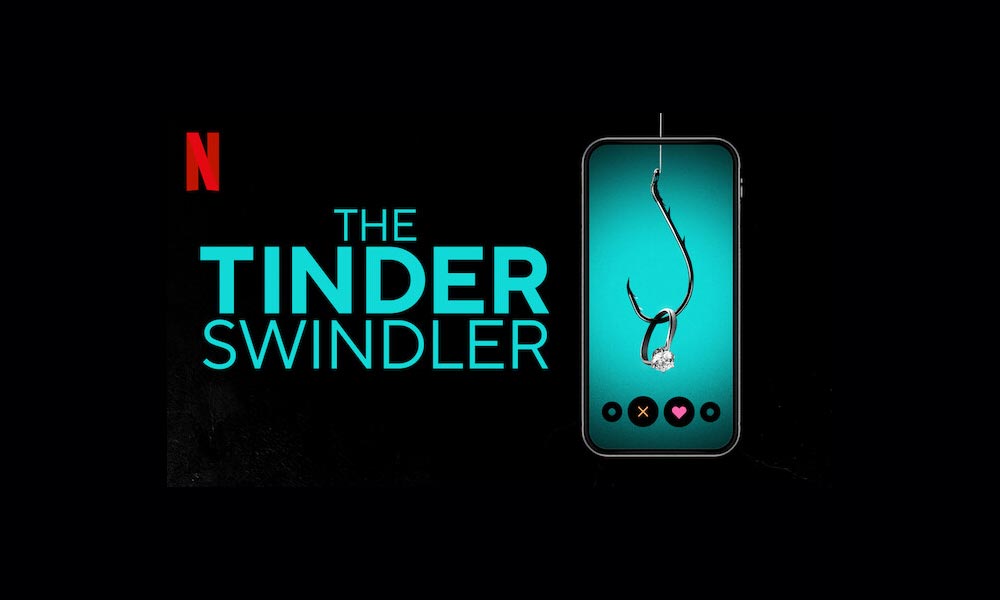
Few days after I broke up and feel dumb my friend suggest a good film to see : The Tinder Swindler: A Heartbreaking Tale of Love, Betrayal, and Lost Trust
In the age of online dating, where love and connection are just a swipe away, The Tinder Swindler serves as a powerful and unsettling reminder of how easily trust can be exploited.
There are stories that entertain. There are stories that educate. And then, there are stories that haunt you include me, long after the screen fades to black—stories that stir a quiet ache in your chest because they could so easily happen to you or someone you love. The Tinder Swindler, a Netflix documentary released in 2022, is one such story.
It begins innocently—just like love often does. A woman swipes right on Tinder, drawn in by a charming smile, a luxury lifestyle, and the promise of something real in a world increasingly filled with digital illusions. What follows, however, is not the fairy tale romance that many hope for, but a nightmare—a cruel, calculated betrayal that unravels lives and drains not just bank accounts, but the very souls of the women involved.
Behind the glitz of private jets and five-star hotels, beneath the polished exterior of a man who called himself Simon Leviev, was a heartless predator named Shimon Hayut. His game? Love fraud. His weapon? Emotional manipulation. His victims? Kind, intelligent women who simply wanted to be loved.
At its core, this is not just a story about money stolen, but about faith shattered, dreams crushed, and the lingering scars left behind when someone you loved never really existed.
This is not just a story of a con artist. It is a deeply human tragedy—an aching reminder of how dangerous it is to crave love in a digital world where deception wears a flawless mask. The moral of The Tinder Swindler is not a single sentence. It is a lingering ache—a sobering lesson stretched across heartbreak, shame, and the broken pieces of trust.
For me the moral of the story echoes long after the credits roll, prompting viewers to question not only how such a deception could occur but also what lessons can be drawn from it.
Let’s unpack the key moral lessons from this eye-opening story:
Daftar Isi Artikel
Toggle1. Trust is Sacred—and Must Be Earned, Not Assumed
The most glaring moral from The Tinder Swindler is that trust, especially in the digital age, should not be freely given. The documentary follows the stories of several women—Cecilie Fjellhøy, Pernilla Sjöholm, and Ayleen Charlotte—who thought they had found their perfect match on Tinder.
I totally agree, many of Simon’s victims were smart, capable women who fell for his charm, not out of naivety, but out of a genuine desire to find love. The documentary shows how Simon built credibility by presenting a lavish lifestyle—complete with private jets, designer clothes, and exclusive hotels. He used social proof (posing with bodyguards, assistants, and business documents) to create an illusion of wealth and legitimacy.
But all of it was a lie—an elaborate web spun to win the hearts (and wallets) of unsuspecting women. The lesson here is that appearances can be profoundly deceiving.
In relationships—especially ones that begin online—trust must be cultivated over time and supported by consistent, transparent behavior. Quick emotional escalation, especially when paired with financial requests, is a red flag that you should never be ignored, girls!
The film also reminds us: fall in love with your heart, but don’t switch off your brain. Genuine love doesn’t require secrecy, urgency, or financial sacrifice under pressure. When someone loves you, they protect you—they don’t use you.
2. Trust Is Fragile—and Once Broken, It Cuts Deep
One of the most heartbreaking morals of this story is how easily trust can be shattered. These women opened their hearts because that’s what love asks us to do. They trusted Simon because he made them feel special, chosen. He created a sense of safety—before methodically stripping it away.
To trust someone is to give them a part of yourself. It’s to say, Here, I believe in you. And when that trust is betrayed, it doesn’t just hurt. It shatters. The echo of that betrayal lingers long after the fraud is uncovered. It turns every new smile into suspicion, every act of kindness into a test.
The Tinder Swindler teaches us, in the most painful way, that trust must be earned slowly—and never given simply because someone seems perfect. Because sometimes, behind the perfect facade is someone who sees your vulnerability as an opportunity, not a treasure. And I found interesting Quotes too “Too good to be true means no good at all or SCAM” So Beware!
3. Love Should Never Come with a Price Tag
One of the most heart-wrenching aspects of the documentary is watching women who believed they were helping someone they loved, slowly descend into financial ruin. Simon preyed on empathy. He manipulated emotions, creating false crises to gain access to funds—claiming his enemies were after him, showing fake videos of injured bodyguards, and faking life-threatening situations.
The moral? Love, in its truest form, is not transactional. Any relationship that repeatedly demands money, secrecy, or personal sacrifice—without reciprocation—is not love, it’s manipulation. Genuine relationships are built on mutual support, not emotional blackmail.
There is nothing romantic at all about emotional blackmail. There is nothing noble about love that leaves you in debt, crying alone in a dark room, wondering how you’ll ever repay the kindness you once mistook for destiny. The women did not lose just money—they lost dignity, time, peace, and in many ways, themselves.
4. Scammers Thrive on Silence—Break It
A turning point in the documentary is when the victims decide to speak out. Despite the shame and embarrassment that often accompany scams, especially romantic ones. the women find strength in their voices.
It would’ve been easier for these women to stay silent—to disappear into their pain, to let the shame consume them. But they didn’t. They chose to speak. By coming together and sharing their stories, they not only expose Simon’s lies but also warn others who might be vulnerable.
Perhaps the most devastating part of this story is how alone the victims felt. Ashamed. Embarrassed. Judged. The world is often quick to blame victims, to ask, “How could you be so foolish?” But those questions are cruel and unfair. They reduce complex emotions to simple logic. They ignore the reality that anyone, anyone, can fall for a lie when it’s dressed as love.
This is one of the most empowering morals in the film. Shame thrives in silence, but truth breaks chains. Speaking out against wrongdoing is a powerful act of courage. Victims of any form of abuse—emotional, financial, or physical—should never feel alone or silenced. There is strength in numbers, and justice begins with truth.
5. Financial Awareness Is Protection in a World That Preys on Emotion
There’s a painful irony in this story: the women were intelligent, capable, independent. But Simon preyed not on their weaknesses—but on their humanity. On their hope, their compassion, their desire to help.
Still, The Tinder Swindler reminds us that emotional decisions must always be balanced with financial awareness. Money should never be sent in secrecy. Loans should never be taken out in panic. And no matter how urgent the love feels, it is never worth going into debt for someone whose life you’ve only seen in curated Instagram posts.
Financial literacy is not just about numbers. It’s about protection. It’s about knowing when to say no, even when your heart screams yes.
6. Justice Is Imperfect—But Exposure Is a Form of Resistance
The most bitter pill of all? The documentary also exposes the troubling gaps in the global justice system. Despite scamming millions from multiple women across several countries, Simon faced minimal legal consequences. He was sentenced in Israel for lesser crimes and released after just five months. His victims, meanwhile, continue to live with massive debts and emotional scars.
There is something deeply unjust about that. It leaves a sour taste. It makes you question the systems that are supposed to protect the innocent. But while the law may have failed, exposure did not. By telling their stories, the women ensured that Simon would never again hide in anonymity. The world knows his face now. And that, too, is justice—born not from courtrooms, but from courage.
7. The Internet Can Be Both a Blessing and a Curse
The very tool Simon used to meet his victims—Tinder—is also the one that ultimately led to his downfall. The same digital world that enables connection can also facilitate manipulation. Social media allowed Simon to flaunt a fake lifestyle, while dating apps provided a constant supply of targets.
Yet, it was also the internet that helped the victims connect, share their stories, and gain global support. The film went viral. People around the world rallied behind the women, calling for justice and cautioning others.
The moral? Technology is a double-edged sword. Use it wisely. Don’t overshare. Question what you see. Protect your privacy. And always remember that the curated digital life someone presents may not reflect reality.
8. Systems Often Fail Victims—The Aftermath: Living with the Wounds
One of the most frustrating parts of the documentary is seeing how Simon continued to roam free despite numerous accusations.
The documentary doesn’t end with Simon’s arrest or some grand justice. Instead, it lingers on the aftermath—the hollow eyes of women who are still paying off debts, still flinching at unexpected calls, still afraid to open their hearts again.
- Cecilie, one of the victims, described the moment she realized the truth: “I felt like I was drowning. Like the person I loved had died—except he never existed.”
- Pernilla, another victim, also admits she still struggles with relationships. “How do you trust again after someone uses your love as a weapon against you?”
Meanwhile, Simon Leviev walks free, living lavishly once more, untouched by the wreckage he left behind. The system failed these women. The banks didn’t protect them, the law couldn’t fully punish him, and the dating apps provided no safeguards. The world moved on, but for the victims, the scars remain.
9. Scams Can Happen to Anyone
Perhaps the biggest misconception is that scams only happen to the gullible. The Tinder Swindler shows otherwise. The women scammed were smart, independent, and successful. What they had in common was trust and hope.
The moral? No one is immune to manipulation. The smartest defense is awareness, not arrogance. Always be vigilant, ask questions, and listen to your instincts.
10. Survival Is Not Just Escaping—It’s Rebuilding
The women in The Tinder Swindler are not just victims. They are survivors. But survival is not pretty. It’s not glamorous. It’s painful. It’s lonely. It’s rebuilding credit scores while battling anxiety. It’s crying in the shower, remembering his voice, his lies, his touch.
The road to healing is long. Sometimes, it means looking in the mirror and forgiving yourself for being too kind, too hopeful, too human.
Conclusion: Love Should Never Hurt Like This
At the heart of The Tinder Swindler is a quiet plea: to be careful with your heart, your money, and your hope. Because while love is beautiful, it can also be a disguise. And in the hands of the wrong person, it can cost you everything.
The moral is harsh but necessary:
- Love can be a lie. The most dangerous predators don’t attack with violence; they attack with affection.
- Trust is fragile. Once broken, it may never fully heal.
- The world isn’t fair. The wicked often escape consequences, while the innocent pay the price.
This is a story about what happens when love turns into a lie. But it is also a story of resilience. Of women who chose to fight back. Who chose to speak. Who chose to heal. No matter how deep the betrayal, how painful the loss—your story is not over. Your voice still matters. And your heart, once broken, can still beat strong again.
In the end, the documentary leave me with a haunting question: If love can be faked this well, how will we ever know what’s real?
Source image from heavenofhorror.com
This article was created by an AI machine to help me learn writing Essay and reading for IELTS preparation.