It’s 11 p.m. on a Sunday. You’ve just finished watching your favorite Netflix series. There’s a warm drink on your bedside table, and for a brief moment, life feels perfect. But then, it creeps in — that familiar sense of dread. Your stomach drops slightly. Your brain starts ticking faster. And just like that, your peaceful weekend bubble bursts.
Yes, tomorrow is Monday.
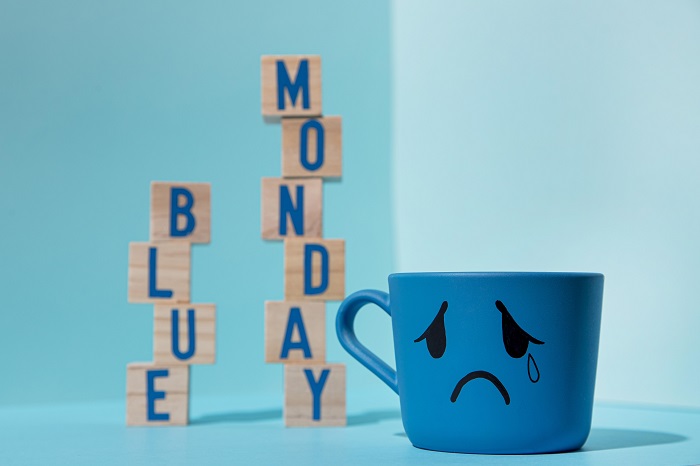
For some, Monday is just another day. But for many people, it represents the start of a stressful, demanding, and often overwhelming week. In fact, Monday has become such a universal villain that it’s the punchline of countless memes, office jokes, and coffee mugs. But what is it, exactly, that makes Monday so notoriously disliked? Here are 8 reasons why Monday has earned its reputation as the most hated day of the week.
1. The Sudden Shift from Freedom to Routine
Daftar Isi Artikel
ToggleAfter 2 days of flexible schedules, cozy mornings, spontaneous outings, or long naps, Monday morning can feel like a slap in the face. Weekends offer us a break from the structured world of deadlines, meetings, and responsibilities. We get to decide when to wake up, what to do, and how to spend our time.
Monday, on the other hand, marks the abrupt end of that freedom. It’s like hitting a wall. The transition from “weekend mode” to “work mode” can feel like emotional whiplash, and it’s not always easy to cope with that sudden change.
Suddenly, we’re thrown back into the rigid structure of the working week. The alarm goes off at 6 a.m. instead of 10. Instead of choosing what to do, we’re handed a calendar full of obligations. This abrupt transition from freedom to structure feels unnatural — and for many, it’s emotionally exhausting.
2. Early Morning Blues (a.k.a. The Battle with the Alarm Clock)
For most people, Monday is the hardest day to get out of bed. That first alarm hits different. Your body, used to sleeping in on the weekend, protests loudly. Sleep experts even suggest that our natural sleep rhythms are thrown off during the weekend — what they call “social jetlag.”
While it might feel great to sleep late on Saturday and Sunday, it disrupts your sleep-wake cycle. By Monday, you’re essentially in a jetlagged state without ever leaving your city. The result? Grogginess, crankiness, and a burning desire to smash your alarm clock.
Your body is still in weekend time, but the world demands otherwise. hiks 🙁 Dragging yourself out of bed on a Monday feels more like punishment than routine.
3. The Overflowing To-Do List
Ever notice how everything urgent seems to land on your plate on Monday? That’s because many people and businesses use Monday as a “reset” day. It’s the day meetings are scheduled, deadlines are reinforced, reports are awaited and new tasks are assigned.
Your email inbox is probably flooded with unread messages from Friday night and the weekend. Your project list looks longer than it did last week. And your brain hasn’t quite caught up with your body yet. It’s no wonder you feel overwhelmed before you’ve even had your second cup of coffee.
4. Social Media Makes It Worse
Let’s be honest — social media is a highlight reel, and Monday mornings can amplify feelings of dissatisfaction.
As you scroll through Instagram or TikTok, you’re bombarded with beach vacations, brunch photos, weddings, and people who somehow “love Mondays” and are already at the gym by 6 a.m. Meanwhile, you’re still trying to get up, bath up and match your socks.
This comparison game can lead to feelings of inadequacy and frustration. It’s not just that Monday is hard — it’s that everyone else seems to be handling it better than you.
Sometimes, while you’re sipping instant coffee in a rush to beat traffic on monday, someone else is posting photos of a beach sunset. It can spark envy, fatigue, or simply deepen that “Why is it Monday already, sh*t time so fast?”
5. Workplace Pressure Peaks on Monday
In many companies, Monday is the most intense day of the week. It’s when leadership wants updates, when clients expect responses, and when teams set the tone for the next five days.
Whether you work in an office, bank, media, retail, hospitality, or remotely, Monday often feels like a sprint. And that pressure to “start strong” can be both mentally and emotionally draining.
You’re not alone if you feel like Mondays bring a heavier weight of expectations. Studies have shown that people experience increased cortisol levels (a stress hormone) on Sunday nights and Monday mornings — a phenomenon often referred to as the “Sunday Scaries.” hiks 🙁
6. Commute Chaos Returns
If you live in a busy city like jakarta hell yeah, Monday morning traffic is no joke. Trains are packed, roads are jammed, and tempers are short. The stress of commuting can drain your energy before your workday even begins.
Compared to the peaceful morning routines many enjoy on the weekend — reading the news, making a slow breakfast, this rush-hour madness is a tough pill to swallow.
7. The Psychological Weight of Monday
Monday has become more than just a day — it’s a symbol. It represents the beginning of responsibility, the return to pressure, and the loss of personal time. Even if you don’t hate your job or dislike your routine, Monday can still carry a kind of psychological heaviness.
It’s the start of a countdown. The longest point from the next weekend. It’s also when self-doubt can creep in: “Am I doing enough?” “Can I handle this week?” That weight — real or imagined — adds to the collective dread many feel on Monday.
And even if your workload isn’t heavier, the *idea* of Monday carries a psychological burden. It’s like your brain has been trained to dislike it, no matter what’s actually happening.
8. The Weekend Wasn’t Long Enough
Perhaps the most basic reason people hate Monday is simply this: two days aren’t enough.
After 5 days of work, most people try to cram all their fun, chores, social plans, and rest into one short weekend. By Sunday night, you’re left feeling like you barely had a break at all.
Many countries are starting to explore the idea of a four-day workweek to address this imbalance. Until then, most of us will continue to feel like the weekend passes in a blink — and Monday comes around far too quickly.
So, What we can do?
It might be tempting to simply accept that Mondays will always suck, but it doesn’t have to be that way. Here are a few tips to make Mondays more bearable — and even enjoyable:
- Plan something small to look forward to, like a favorite breakfast, a podcast on the commute, or an evening walk can create positive anticipation.
- Ease into the week. Don’t overload your Monday schedule. If possible, save the heavy work for later in the week.
- Get enough sleep on Sunday night. Avoid staying up too late — and skip the Sunday night binge-watching.
- Organize on Friday. Make a quick Monday to-do list before the weekend starts. That way, you’re not overwhelmed the moment you open your laptop.
- Practice gratitude. As cheesy as it sounds, taking five minutes on Monday morning to reflect on what you’re thankful for can shift your mindset.
- I agree about this sometimes you should limit social media. Give yourself a break from the comparison game, especially on Monday morning.
Hfttt, we’re all agree that hating Monday isn’t just a meme — it’s a shared human experience rooted in our need for balance, rest, and control over our time. While we can’t eliminate Mondays, we can soften the blow by preparing ahead, building better routines, and finding small joys even in the busiest start of the week.
After all, if we can survive Monday, the rest of the week starts to look a lot more manageable. Instead of seeing Monday as an enemy, maybe it’s time we start viewing it as an opportunity: a fresh start, a clean slate, a chance to do things differently. After all, a bad Monday doesn’t have to mean a bad week.
So next time Sunday night rolls around, take a deep breath. Monday is coming — but you’ve got this.
PS :
Source image from freepik.com
This article was created by an AI machine to help me learn writing for IELTS preparation.