
The results loaded at exactly 8:14 in the morning. I remember this because I had been awake since five, my phone face-up on the pillow, the screen lighting the ceiling every time I shifted. When the number finally appeared, 5.0.
Well, I did not cry. I just sat there, very still, with the particular stillness of someone who has just been told, in the kindest and most indifferent way possible, that they are not quite enough.
I had given six months to this. Vocabulary lists. Practice tests on weekends when I could have been resting. Recorded myself speaking and listened back, grimacing at every mispronounced syllable, every pause too long, every sentence that trailed off instead of landing.
I had wanted 6.5, not as an abstract number, but as a doorway. A doorway into something I had been building toward for a long time. And the test handed me 5.0, and the doorway stayed closed. OMG 😓😓😓
It is a specific kind of sadness: failing a language test. Because language is not just grammar and vocabulary. It is how you exist in the world. It is how you reach people, how you are reached.
When a score tells you that your English is not yet enough, some part of you hears something quieter and more painful underneath it: that you yourself are not yet enough. That is not true. But feelings are rarely interested in what is true.
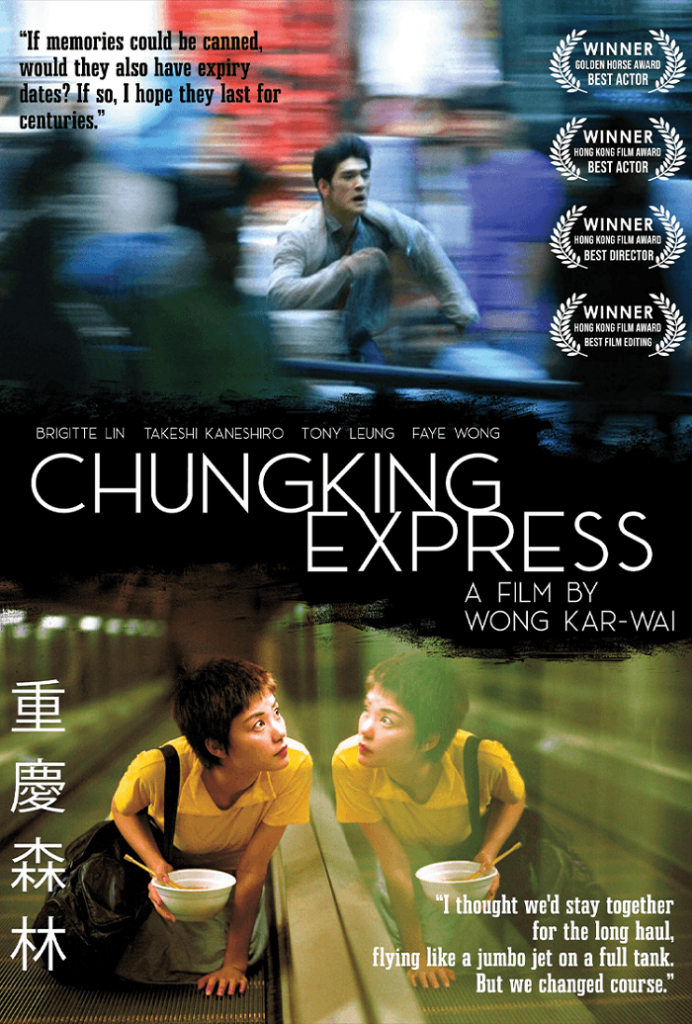
May you find someone who speaks your language so you don’t have to spend a lifetime translating your soul.
I came across this sentence a few hours after the results. I was not looking for comfort; I was just drifting through my phone the way you do when you are too tired to think and too sad to stop. And these words stopped me. Not because they were about IELTS or band scores. But because they named something I had been feeling for much longer than six months.
The exhaustion of translating. Of reshaping yourself into whatever version is legible to the room you are standing in. Of wondering, quietly, if anyone would ever just understand you, not the careful, constructed version but the real one underneath.
I do not have an answer to that yet. Some days the longing is sharp; other days it is just a low hum. What I know is this: the score is not a verdict on who I am. It is a data point. A single measure of a single skill on a single morning. And while it matters—practically, concretely—it does not get to define me.
If you are sitting with a score like mine right now, I want to say something directly to you. Not the cheerful version of this, not the motivational-poster version. Just the honest one: it is okay to be sad. Let the sadness be there for a little while.
You worked hard. You wanted something. It did not come yet. That is worth grieving, briefly and honestly, before you turn back toward it again.
And then, when you are ready, here is what actually helps:
- Give yourself 48 hours before making any plan. Decisions made in disappointment are rarely the best ones. Rest first.
- Writing and speaking are the two bands most improved by consistent, feedback-driven practice, not just repetition. Find a tutor, a language partner, or a feedback tool for at least one of them.
- Academic reading and listening reward strategy as much as language level. Time management and question-type familiarity can move your score without your English fundamentally changing. Study the exam, not just the language.
- You can retake in as little as one month. But three months of targeted preparation is more honest and more kind to yourself.
I will sit the exam again. I have already decided this, even if I am not ready to say it out loud yet. The goal behind the score still matters. The life I am trying to build is still worth building. And 5.0 is not a wall, it is just where I am standing right now, in this particular moment, on this particular road.
But I am holding onto that sentence. About finding someone who speaks your language. Because maybe the deepest form of studying, the kind no test can grade, is learning to stop translating yourself for places that were never built to hear you. And learning, slowly, to find, instead, the people and places where my language is already spoken. Where I do not have to explain the things that simply are.
5.0 on a test. But I am more than a score. And somewhere, I believe, there is a world that already knows this—waiting, in a language I do not have to practice to speak.